The freedom formula: How to travel, build a career, and save money with Caroline Lupini
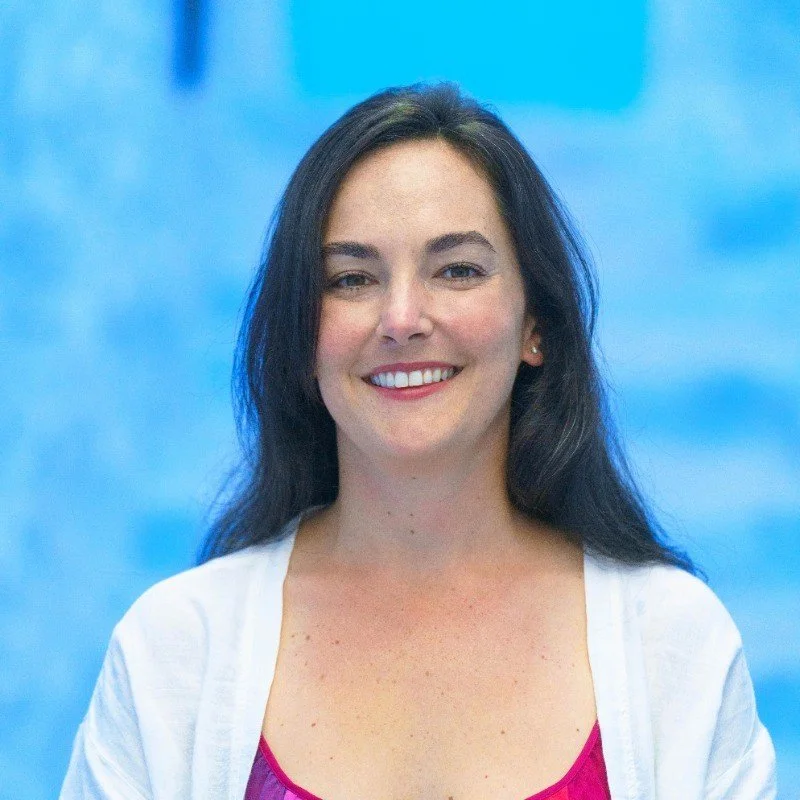
Caroline Lupini — travel expert, digital nomad, and managing editor of Travel and Credit Cards at Forbes Advisor — has visited over 120 countries and built a sustainable lifestyle around travel. On the pod this week, she breaks down exactly how to plan trips that work for your budget, whether you're taking one big adventure a year or chasing an entirely location-independent life.
Here's what we loved about talking with Caroline: Travel doesn't have to be expensive. It just has to be intentional.
Read on for some practical and beginner-friendly tips to start designing a life of adventure!
⏰ Episode Timestamps
[2:00] Caroline's origin story — how she discovered budget travel
[4:00] From expensive family vacations to Southeast Asia on $5/day
[5:00] The total cost of travel: Why looking at flight prices alone isn't enough
[8:00] How to plan a trip when flexibility is your advantage
[11:00] Travel rewards basics for beginners
[18:00] How location independence creates financial security
[21:00] Diversifying income without leaving your job
[28:00] The real cost of a flexible life — what Caroline gave up
[34:00] What "enough" actually means when you're chasing flexibility
Why travel doesn't have to be expensive
Growing up in the Midwest, Caroline's family vacations were nice but pricey. Like many of us, she grew up thinking travel was expensive. Then, after college, she discovered Southeast Asia, where she stayed for under $5/night and ate incredible meals for $3–5 a day.
"A little bit of money can go a really long way if you travel to the right destinations and seek out the least expensive options," she says. "You can still have a really nice time while doing that."
Look beyond the airfare
Here's where people get tripped up: they see a cheap flight deal and book it without thinking about the full picture.
Side note: We’ve both fallen into this exact same trap going to Iceland on cheap flights.
Caroline's advice is simple — consider the total cost of your trip, not just the flight price. A flight to Iceland might be $300, but meals and lodging add up fast. Even groceries gave us sticker shock. Meanwhile, a pricier flight to Southeast Asia makes sense when you're staying for $20–30/night.
The real strategy? Balance expensive destinations with cheaper ones to hit your target average budget over the year.
How to search for flights when you have flexibility
One of Caroline's favorite moves: being totally flexible on destination and letting flight deals inspire your next trip.
Instead of deciding where you want to go and then searching for flights, flip it. Look at cheap flights first, then decide if that destination appeals to you (and make sure lodging, food, and other expenses are also within your budget).
Check out flight deal websites like The Flight Deal, The Fare Deal Alert, Going, and Secret Flying. Caroline's used this strategy to end up in places like Bahrain and Kuwait for $600 round-trip.
"I didn't know anything about these countries. I didn't know anybody who had been there," she recalls. "But we were like, 'Yeah, sure, why not?' And it was awesome."
Planning trips with fixed dates
Not everyone can be totally flexible. For destination weddings or family vacations, Caroline has a different playbook:
Think about extending your trip on either side. Even a day or two in either direction can seriously move the needle on flight prices.
Consider flying into a different city. If you need to be in Mexico for a wedding, fly into a cheaper hub and book a domestic flight. Especially for far-away destinations (Europe, Australia), breaking up your itinerary can save you hundreds.
Explore frequent flyer miles. "Using credit cards and travel rewards is a huge part of my strategy to save on flights," Caroline says. (For more on points and miles, listen to Points & miles 101 with Ross Alcorn: Turn your credit card rewards into free travel.)
Building flexibility creates real financial security
Here's where Caroline's story gets interesting — and relevant if you're worried about job security.
As a digital nomad, Caroline built extreme flexibility in her cost of living. Most people have fixed expenses they can't change — a mortgage, a car, childcare. But Caroline? She doesn't live anywhere permanently. If she got laid off tomorrow, she could move to Southeast Asia or Bulgaria and cut her expenses in half.
"That gives me a lot of peace of mind," she says.
Being a digital nomad also means constantly meeting people building unconventional lives — online poker players, board game designers, people with all kinds of creative income sources.
"Seeing the ways people have figured out to make money keeps me confident that whatever happens, I'll be able to figure out what's next," Caroline explains.
The real cost of an adventurous life
Caroline's life looks magical from the outside — constant travel and exploration, flexible cost of living, and the ability to work from anywhere. But she's also honest about what she's given up.
She only returns to the States once a year for about four weeks because of the Foreign Earned Income Exclusion. If you spend at least 330 days physically present in a foreign country, you can exclude about $120,000 from federal income tax — roughly $18,000 in annual tax savings. That means she can only spend 35 days per year in the US to qualify.
She also can't have a dog — something she loves but has sacrificed for the lifestyle.
Is it worth it? For Caroline, absolutely. But flexibility and location independence aren't free. They just cost something different than a traditional life.
TL;DR
Travel doesn't have to be expensive — it just has to be intentional. Look at the total cost of your trip (flights + food + accommodation), not just the flight price.
Use flight deal websites to explore destinations you might not have considered. If you're flexible on dates and destination, you can save hundreds.
If you have to be somewhere at a certain time, consider extending your trip if it gets you a great flight deal. You can also consider flying into alternate cities to save money.
When possible, build flexibility into your life and career — it creates financial security and opens doors you didn't know existed.
You don't need a fancy plan to start diversifying income. Begin with skills you already have and adjust as you go.
Want more from Caroline? Check out her website at carolinelupini.com, follow her on Instagram @carolinelupini, and keep an eye out for her YouTube channel launching in January.
Want to dive deeper into building a life and career that actually works for you? Join our paid tier for bonus episodes, exclusive guest interviews, and real talk about money without the filter. 💸
