Why your budget isn’t broken (the system is) with Kelsa Dickey
If you’ve ever followed all the “right” money advice — budgeting, tracking, planning ahead — and still felt stressed, behind, or frustrated… you’re not alone.
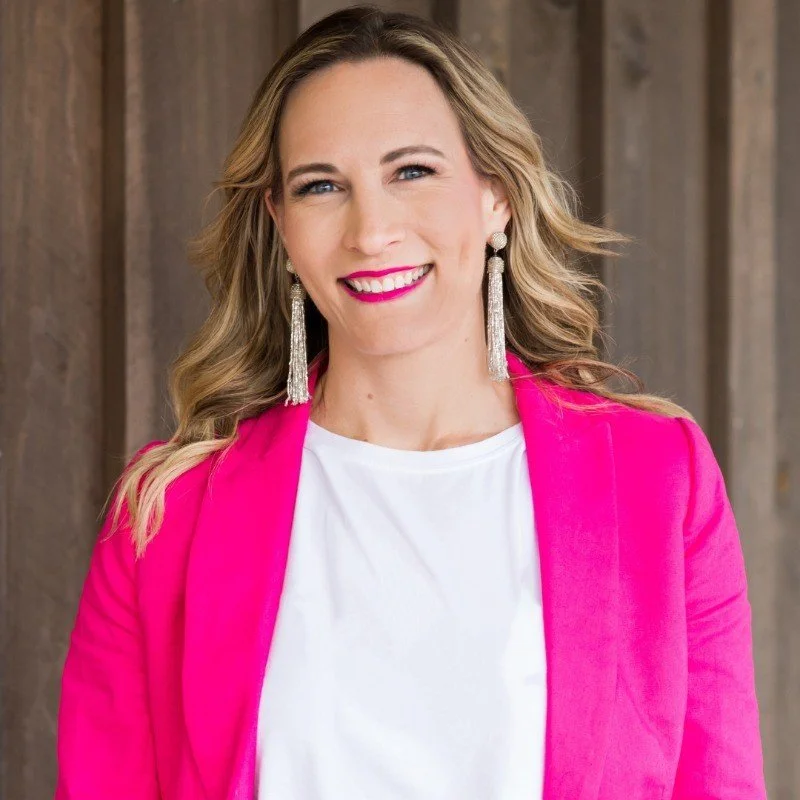
In this episode of The Finance Girlies Podcast, we sat down with Kelsa Dickey, founder of Fiscal Fitness Phoenix and creator of the Spend First System. Kelsa is a longtime financial coach and educator who has spent nearly two decades helping people move from overwhelmed and anxious to confident and in control — not by giving them stricter rules, but by helping them build money systems that actually fit their lives.
What stood out most in this conversation was Kelsa’s deep curiosity as a coach. Instead of assuming there’s one “right” way to manage money, she asks better questions: about your personality, your time and energy, your emotional capacity, and what you’re realistically able to sustain. That mindset shift alone can completely change how money feels.
⏰ Episode timestamps
[0:00]: Why Kelsa left traditional financial advising to become a money coach
[4:00]: Why most financial advice overwhelms people instead of helping them
[9:00]: The real first step to getting your finances together — and why the second step matters more
[12:00]: “Strategic trial and error” and how to evaluate your money plan without shame
[18:00]: The difference between financially minded people and everyone else starting out
[20:00]: The 3-bucket system: spend fixed, spend freely, spend future
[25:00]: Why budgeting fails when it ignores time and energy capacity
[31:00]: Why the idea of a “perfect month” sets people up for frustration
[38:00]: When (and how) to change your budget as your life evolves
[45:00]: Measuring progress with peace, confidence, and pride — not just numbers
The step most people skip — and why it matters more than where you start
When we asked Kelsa where people should start if they feel overwhelmed by money, she said something unexpected:
The first step almost doesn’t matter. The second step matters more.
According to Kelsa, most people don’t fail because they chose the “wrong” budgeting method — they get stuck because they don’t pause to evaluate without judgment.
Instead of asking whether a plan worked perfectly, she encourages people to get curious:
What worked?
What didn’t?
What felt easy or draining?
What did I learn about how I actually operate?
This reflective step — what Kelsa calls strategic trial and error — is where real progress happens. A system not working isn’t a personal failure; it’s information. And that information is what allows you to refine your approach instead of scrapping it and starting over.
The goal isn’t a perfect plan. It’s a flexible one that gets better as you do.
Why detailed budgets create guilt instead of clarity
One of the most relatable moments in the episode was when Kelsa shared her own experience budgeting with her husband. Even though they were tracking everything, the system felt stressful and reactive.
Finding out after the month ended that you went over budget doesn’t help you make better decisions — it just creates guilt.
That realization is what led Kelsa to build systems focused on real-time awareness, so you can make decisions with clarity before the money is gone.
The 3-bucket framework that simplifies budgeting
Instead of dozens of categories, Kelsa often starts clients with three buckets:
Spend fixed: recurring bills with due dates
Spend freely: everyday spending like groceries, eating out, gas, and household needs
Spend future: savings for irregular but inevitable expenses like car repairs, gifts, travel, or insurance
This approach creates immediate clarity without requiring constant tracking. If you like more detail, you can layer it in — but only if it genuinely helps you feel more confident.
Capacity matters more than the “best” financial plan
One of the most important takeaways from this conversation is that time and energy are financial resources, too.
A system that works well for one person may be completely unrealistic for someone in a different season of life. If a money plan requires more capacity than you have, it’s not a discipline issue — it’s a mismatch.
The best budgeting method is the one you can sustain.
For high achievers: redefine what progress looks like
Many of our listeners are high achievers who put a lot of pressure on themselves to get money “right.” Kelsa encourages tracking not just financial progress, but emotional progress too.
She suggests regularly asking:
How at peace do I feel about my money?
How confident do I feel?
How proud am I of how I’m showing up financially?
Those feelings often improve before the numbers do — and they’re a powerful sign that your system is working.
Money isn’t good or bad — it’s a magnifier
The episode closed with a powerful reminder: money doesn’t change who you are. It amplifies who you already are.
When thoughtful, generous people feel confident with money, they gain the ability to support others, give freely, and live with more intention. That impact is a huge part of why learning to manage money in a sustainable way actually matters.
TL;DR
You don’t need the perfect first step — you need clarity that fits your life.
The second step (evaluating and adjusting) matters more than the first.
Most budgeting fails because it’s too rigid and too retroactive.
A simple bucket system can create real-time awareness without overwhelm.
Time and energy capacity matter just as much as math.
Progress includes emotional markers like peace, confidence, and pride.
