
How to bounce back from money mistakes with Bola Sokunbi / 97
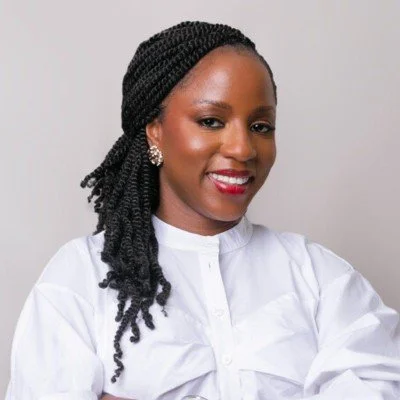
We've all had a money moment we'd rather forget. Maybe you spent more than you meant to, waited years to start investing, or made a financial decision that turned into an expensive lesson.
It's easy to replay those decisions and wonder how things might have turned out differently. But making financial mistakes doesn't mean you're bad with money. It means you're human.
Even financial experts make mistakes. Bola Sokunbi, founder of Clever Girl Finance and six-time bestselling author, knows this firsthand. From regrettable designer handbag purchases to a costly retirement account mistake, Bola has learned that building wealth isn't about getting every financial decision right — it's about what you do next.
By learning from financial setbacks, investing consistently, and exploring ways to create additional income, you can build greater financial confidence without expecting perfection from yourself. As Bola's experience shows, making mistakes with money is part of the journey, not a reason to give up on your goals.
Episode highlights
[00:30] Meet Bola Sokunbi and learn why feeling financially behind doesn't mean you're actually behind.
[03:00] How to build wealth through your 401(k), retirement accounts, and consistent investing, even when you're starting small.
[06:00] Why setting short-term financial goals can help you stay motivated through the messy middle of building wealth.
[09:30] How to stop chasing traditional money milestones and start defining financial success on your own terms.
[10:30] Finding the balance between enjoying your money today and preparing for your future, including why guilt-free spending belongs in your budget.
[15:30] The one wealth-building habit Bola recommends prioritizing and how to overcome the fear of getting started with investing.
[22:30] Practical ways to create additional income streams without sacrificing your time, energy, or well-being.
[26:00] Bola shares her biggest financial mistakes, including a costly 401(k) rollover error, and the lessons she learned from them.
[31:00] How to separate financial mistakes from your identity, let go of money shame, and rewrite the stories you tell yourself.
[35:00] Why you don't have to wait until you earn more money to start building wealth, plus simple habits you can begin practicing today.
Financial mistakes are lessons, not personality traits
We all make financial mistakes, and Bola Sokunbi is refreshingly open about hers.
After leaving her first job, Bola had her retirement savings sent to her as a check, deposited it into her bank account, and failed to complete the rollover within the required timeframe. The result was taxes and early withdrawal penalties that cost her approximately 40% of the retirement savings she'd spent five years building.
Rather than allowing that mistake to define her, Bola focused on what she could learn. The next time she changed jobs, she arranged for her retirement money to be sent directly to the appropriate retirement account. She also looked for ways to rebuild what she'd lost, including earning additional income.
Her mistake didn't disappear, but it informed her future decisions.
When you make a financial misstep, you might regret overspending or taking on debt. But that doesn't mean you're irresponsible or destined to struggle with money forever.
Bola encourages us to examine those stories. Instead of thinking, "I'm terrible with money," you might acknowledge that you're still learning how to manage it. Instead of deciding you'll never understand investing, recognize that you simply haven't learned enough about it yet.
A financial mistake can be part of your story without becoming the whole story. You can acknowledge the consequences, learn from what happened, and make different decisions in the future.
Building wealth is about progress, not perfection
One of the biggest barriers to financial progress isn't necessarily a past mistake. Sometimes it's the belief that we're already too far behind.
Bola challenges that thinking by asking a simple question: Behind based on what metric?
Everyone approaches adulthood with different financial circumstances, responsibilities, and resources. Comparing those journeys as though everyone started from the same place isn't helpful.
Instead, Bola encourages focusing on what you're actually working toward, rather than where you think you should be by a certain age.
Maybe you want to take time off to write a novel, move across the country, or sign up for dance classes. Your goals don't have to involve buying a house or checking off traditional milestones simply because those are the things you're expected to want.
It’s also worth noting that financial progress also won't look the same during every season of life. There may be periods when you're able to save aggressively and others when responsibilities require you to slow down. Neither makes you a financial failure.
Building wealth doesn't mean sacrificing every enjoyable experience along the way. Bola encourages budgeting for small pleasures, whether that's getting your nails done, meeting friends for dinner, or having money available for spontaneous plans.
Making room for enjoyment can help make your financial goals sustainable over the long term.
Why long-term investing matters more than getting everything right
When we ask Bola which single wealth-building habit she'd recommend prioritizing for the next five years, her answer is immediate: investing.
Investing gives your money the opportunity to grow through appreciation, dividends, and compounding, rather than relying entirely on the income you earn through work.
For many people, a workplace 401(k) is a natural starting point. If your employer offers matching contributions, taking advantage of that benefit can be especially valuable. As your finances allow, you can gradually increase your contributions or explore other retirement and brokerage accounts.
And if you're already investing through your 401(k), Bola offers an important reminder: You are an investor, even if you don't have a separate brokerage account or buy individual stocks.
Of course, knowing that investing is important doesn't automatically make it feel approachable. Fear often comes from not understanding what you're putting your money into, which is why Bola encourages building your financial knowledge alongside your investments.
That might mean learning about stocks, index funds, and ETFs, understanding investment fees, or exploring how diversification can help manage risk.
You don't need to become a financial expert before getting started. You just need enough foundational knowledge to make informed decisions.
While investment returns are never guaranteed, starting earlier can give your money more time to potentially grow. And if you didn't start as early as you wish you had, that doesn't mean you've missed your opportunity. Rather than regretting the years you weren't investing, focus on what you're able to do with your money today.
Multiple streams of income can create more financial flexibility
Bola believes multiple streams of income can play a valuable role in building wealth, particularly when jobs and circumstances can change unexpectedly.
But having multiple streams of income doesn't mean everyone needs a side hustle. If you're already exhausted from working full-time and managing everything else life throws at you, adding another 20 hours of work might not be realistic.
Instead, Bola suggests exploring opportunities that fit your current capacity:
Investing consistently: Your investments may eventually generate income through dividends or other distributions, although this takes time and involves risk.
Selling things you no longer need: Unused clothing, household items, or outgrown children's equipment can provide extra cash.
Taking on temporary freelance work: A short-term project can help you reach a specific savings or debt repayment goal.
Using skills you already have: Services like design, catering, babysitting, or dog walking might provide additional income.
Not all of these options create recurring income, and some require more effort than others. The goal is to find opportunities that make sense for your circumstances rather than feeling obligated to monetize every spare moment.
Bola also emphasizes being intentional with the money you earn. If you're putting additional energy into generating income, decide in advance where that money will go. That way, it won’t somehow end up paying for a new pair of jeans when the whole reason you took on extra work was to pay down your debt.
You don't have to wait for the perfect financial circumstances
If you want to build wealth but keep telling yourself you’ll start later, Bola says, “later never comes.” Waiting for the ideal circumstances can mean waiting indefinitely.
But building financial confidence doesn't always require extra money. You can review your spending, create a budget, write down your goals, borrow a personal finance book from the library, or listen to a free educational podcast. These actions help develop the habits and knowledge you'll rely on as your financial circumstances evolve.
Also: consistency doesn't mean doing everything perfectly every single week. There will be pauses, setbacks, and seasons when progress looks different from what you'd hoped.
Building wealth doesn’t mean you’ll never make a bad financial decision. But it does mean becoming someone who can learn, adapt, and continue making better choices along the way.
If you've been carrying regret about a past financial decision, consider what it taught you and what you'd like to do differently next time. You don't have to rewrite your entire financial life today, but you can take one small step toward the future you want.
TL;DR
Financial mistakes don't define you. Learn from what happened without turning one decision into a judgment about your abilities.
Consistent investing can support long-term wealth building. Start with what you can and give your money time to potentially grow.
Your financial goals should reflect your actual life. You don't have to pursue traditional milestones.
Multiple income streams can create more options. But earning additional money shouldn't come at the expense of your well-being.
You can start building better financial habits today. Even if you can't save more right now, learning and planning still count.
Resources
Clever Girl Finance — Free financial education courses, worksheets, and community resources
Clever Girl Millionaire by Bola Sokunbi
Don't Believe Everything You Think by Joseph Nguyen
Clever Girls Know podcast
This content is for educational purposes only and is not personalized financial, tax, or legal advice.
