
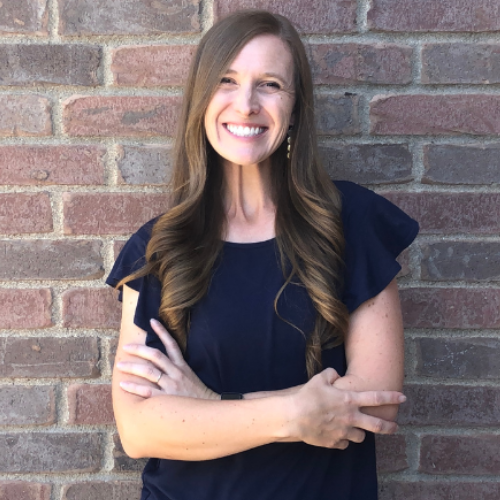
How Brittany Flammer built a $950k net worth on a 5-figure income / 78
A common myth in personal finance is that wealth is primarily an income problem.
It's easy to believe that if you could just earn a little more, everything else will just fall into place. Saving would become easier. Investing would feel possible. Financial stress would disappear.
Of course, income matters. But Brittany Flammer's story is a reminder that it's only one piece of the puzzle.
Over more than two decades of marriage, Brittany and her husband built a net worth approaching $1 million while earning an average household income of roughly $40,000 per year. Their journey wasn't fueled by a massive salary, a lucky investment, or an inheritance. Instead, it was built through consistent habits, intentional choices, and a willingness to keep showing up financially — even when they were learning as they went.
Episode highlights
[01:30] How Brittany and her husband built nearly $1 million in net worth on an average income of about $40,000 per year
[03:00] Why starting to invest matters more than knowing everything from day one
[06:00] How Brittany’s savings and investing strategy evolved as her household income increased over the years
[08:00] The intentional ways Brittany allows lifestyle upgrades without letting lifestyle creep take over
[11:30] The surprising expenses they skip — and why Brittany only budgets $25 per month for personal fun money
[16:00] The budgeting tools Brittany relies on most, including high-yield savings accounts, automation, and weekly budget check-ins
[20:30] How their family of seven travels on a budget, from affordable road trips to planning international vacations
[24:30] The low-cost family traditions that have created some of their favorite memories
[28:30] How Brittany teaches her kids about money, trade-offs, saving, spending, and earning their own income
[34:30] The expenses she refuses to cut, the role generosity plays in their family, and the money values she hopes to pass down to her children
[41:00] Where to follow Brittany’s budgeting journey and why publicly sharing her budget helps keep her accountable
The biggest wealth-building advantage wasn't a higher income
When people hear Brittany's net worth, they often assume there must be a missing piece to the story.
Maybe they eventually started earning a lot more money.
Maybe they received a huge inheritance.
Maybe they got lucky with an investment.
But the foundation of their wealth wasn't any of those things. It was consistency.
From the beginning of their marriage, Brittany and her husband made a habit of spending less than they earned and saving and investing something every single month. Sometimes that amount was small — but the behavior was there, whether they were earning $30,000 a year or significantly more.
This is one of the least exciting lessons in personal finance, which is probably why it doesn't get talked about enough.
Most wealth-building isn't dramatic, it's repetitive.
It's choosing to save when no one is watching. It's investing before you feel like an expert. It's making decisions today that won't pay off for years.
The challenge is that these habits often feel meaningless in the moment. A $50 monthly investment doesn't seem life-changing. Neither does saying no to a purchase or automatically transferring money into savings.
But over decades, those choices begin stacking up. Eventually, what looked small becomes substantial.
Why starting before you're ready matters
One of the most relatable parts of Brittany's story is that she didn't know exactly what she was doing when she started investing.
She opened a Roth IRA because she'd heard they were a good option. She made investment decisions she later realized weren't ideal. At one point, she misunderstood what “diversification” meant, spreading money across a bunch of different investment accounts.
In other words, she was a beginner.
(And that's exactly the point.)
So many people delay investing because they're afraid of making the wrong decision. They want to understand every account type, every tax rule, every investment option, and every possible risk before they put a dollar into the market.
The problem is that you’ll never actually feel ready until you start.
Brittany's experience highlights something that financial professionals often repeat but many of us struggle to believe: Starting today with limited knowledge is usually better than waiting years to make the perfect decision later.
You can adjust your strategy.
You can move accounts.
You can learn from mistakes.
What you can't do is get back years of missed time.
Lifestyle creep isn't always a bad thing
Lifestyle creep tends to get framed as a financial failure.
The story usually goes something like this: your income increases, your spending increases, and suddenly you're no better off than you were before.
There is truth to that. But Brittany offered a more nuanced perspective.
As her family's income has grown, their spending has grown too.
She pays for conveniences she wouldn't have considered years ago. She invests in experiences. She spends money on things that genuinely make life easier or more meaningful.
The difference is that she hasn't allowed spending to automatically consume every raise or income increase.
Instead, she views higher income as creating more options.
Sometimes, that means saving and investing more. Sometimes, it means enjoying life today.
That mindset feels especially refreshing because it acknowledges a reality many people experience: financial progress shouldn't require staying frozen in the same lifestyle forever.
It's okay to enjoy the benefits of earning more, as long as you’re intentional about it.
The surprising power of knowing what is enough
Brittany is incredibly clear about what matters to her family.
For some people, that might sound obvious. But it's actually one of the hardest parts of managing money.
Many of us spend years chasing goals we haven't fully examined…
A bigger house.
A newer car.
More stuff.
Brittany's approach feels different because her spending reflects a strong sense of priorities. She'd rather allocate money toward travel than increase her personal spending. She doesn't feel the need to maximize every category simply because she can afford to.
And that clarity creates freedom.
When you know what genuinely adds value to your life, it becomes easier to spend confidently in those areas, and spend less everywhere else.
The question shifts from "Can I afford this?" to "Do I care enough about this to prioritize it?"
That's a much more useful framework than endlessly trying to optimize every dollar.
The money lesson that matters most
As a parent, Brittany spends a lot of time teaching her five kids about money. But what's interesting is that the lessons aren't really about spreadsheets or budgeting apps.
They're about decision-making.
Her kids learn that every dollar has alternatives. Choosing one thing often means giving up something else. They learn that earning money changes how you think about spending it. They learn that mistakes are part of the process.
Most importantly, they learn that money is a tool — not a measure of success, a source of shame, or something to fear.
That perspective shows up in the way Brittany talks about generosity, too. Even during years when money was tight, giving remained a priority for their family. Not because they had extra money lying around, but because generosity was one of the values they wanted their spending to reflect.
It's a reminder that financial habits aren't just about numbers — they communicate what matters to us, whether we realize it or not.
TL;DR
Building wealth doesn't always require a high income. Consistent saving and investing habits can create significant results over time.
Starting before you feel fully prepared is often more important than waiting for the perfect investment strategy.
Lifestyle upgrades aren't inherently bad, especially when savings and investing continue to grow alongside spending.
Knowing what matters most to you can make budgeting feel less restrictive and more intentional.
Teaching kids about money often starts with helping them understand trade-offs, ownership, and the role money plays in supporting their values.
Connect with Brittany:
